
Article

How to Historically Preserve Your Home
Owning a historic home is more than just a privilege—it’s a responsibility to protect and celebrate a piece of architectural history. Whether your home is a century-old farmhouse, a Victorian cottage, or a mid-century gem, historical preservation ensures that its story and craftsmanship endure for generations. Here’s how you can preserve your home while maintaining its character and charm.
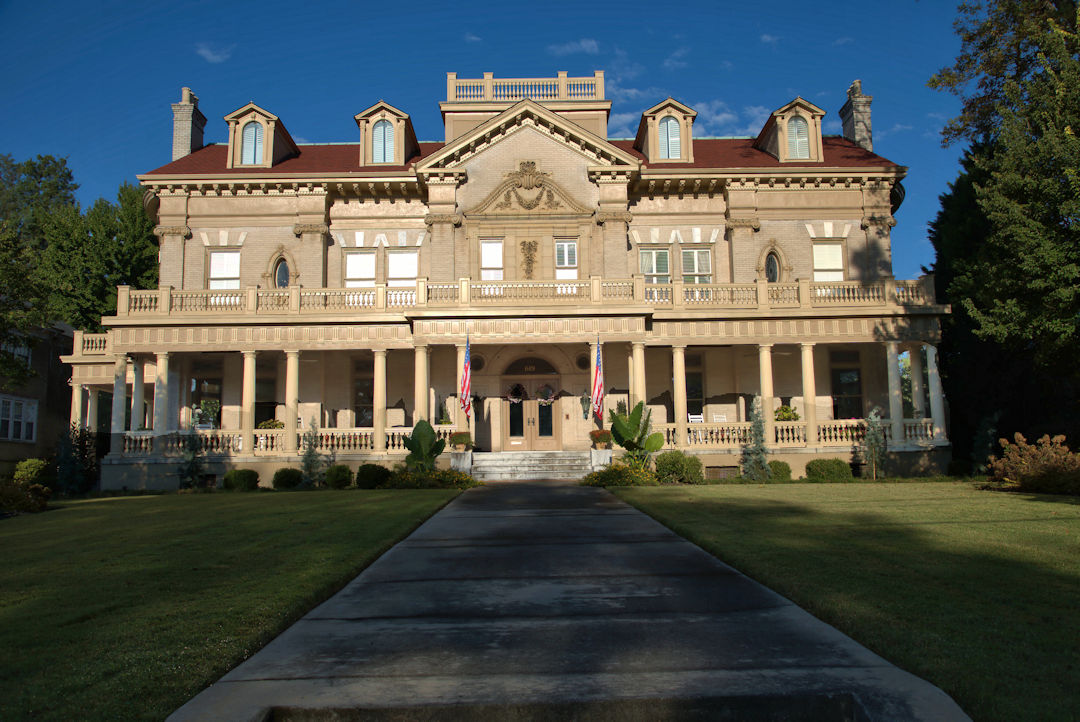
McCraw Massee House Macon, GA Built 1901
1. Understand Your Home’s History
Before making any changes, learn about your home’s architectural style, builder, and era. Research local archives, historical societies, or previous owners to uncover original materials, paint colors, and design details. Understanding its origins will guide your restoration and help you make authentic choices.
2. Inspect and Document Existing Features
Walk through your home and make note of its defining features—doors, mouldings, windows, flooring, and hardware. Photograph everything before beginning any work. Documentation ensures that if something needs to be repaired or replaced, you can match it accurately to the original design.
3. Repair, Don’t Replace
A cornerstone of historical preservation is restoration over replacement. Whenever possible, repair original wood windows, refinish old floors, and restore worn trim. Original materials were often crafted with superior quality and can last centuries when maintained properly. Restoration preserves the home’s authenticity and value while reducing waste.
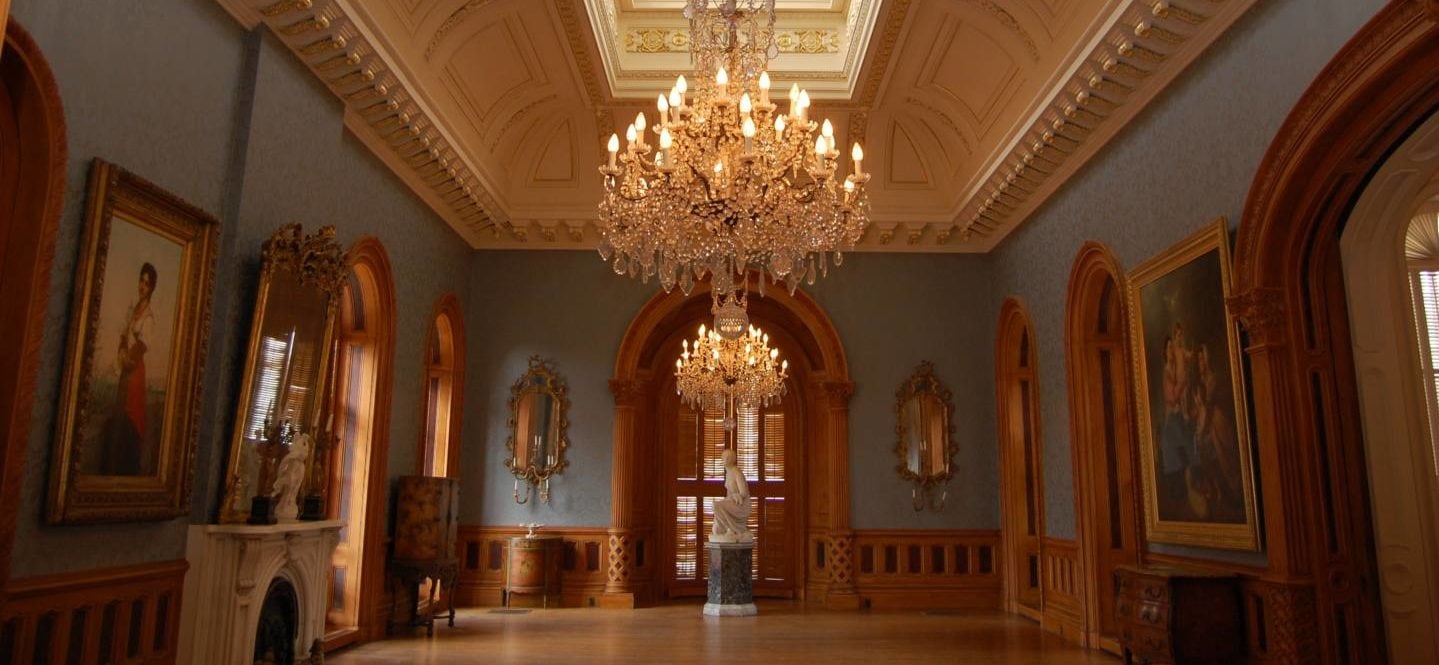
Johnston Felton Hay House Macon, GA Built 1859
4. Use Authentic, Period-Appropriate Materials
If a component is beyond repair, choose replacements that match the historic style and materials. Custom millwork specialists, such as Willingham Sash and Door, can replicate window sashes, door casings, and moulding profiles to ensure seamless integration with the home’s original craftsmanship. Using historically accurate materials maintains your home’s architectural integrity and visual harmony.
5. Maintain Architectural Balance
Modern additions or updates should complement the existing architecture, not overpower it. Keep original proportions, rooflines, and window placements intact. Historical preservation works best when old and new elements blend naturally, allowing the home’s story to continue without losing its roots.
6. Preserve Windows and Doors
Windows and doors are defining elements of historical homes. Instead of replacing them with modern vinyl or aluminum, consider restoration or custom wood replicas. Restored wood windows can be made energy efficient through weatherstripping, glazing, and storm panels—maintaining both charm and performance.
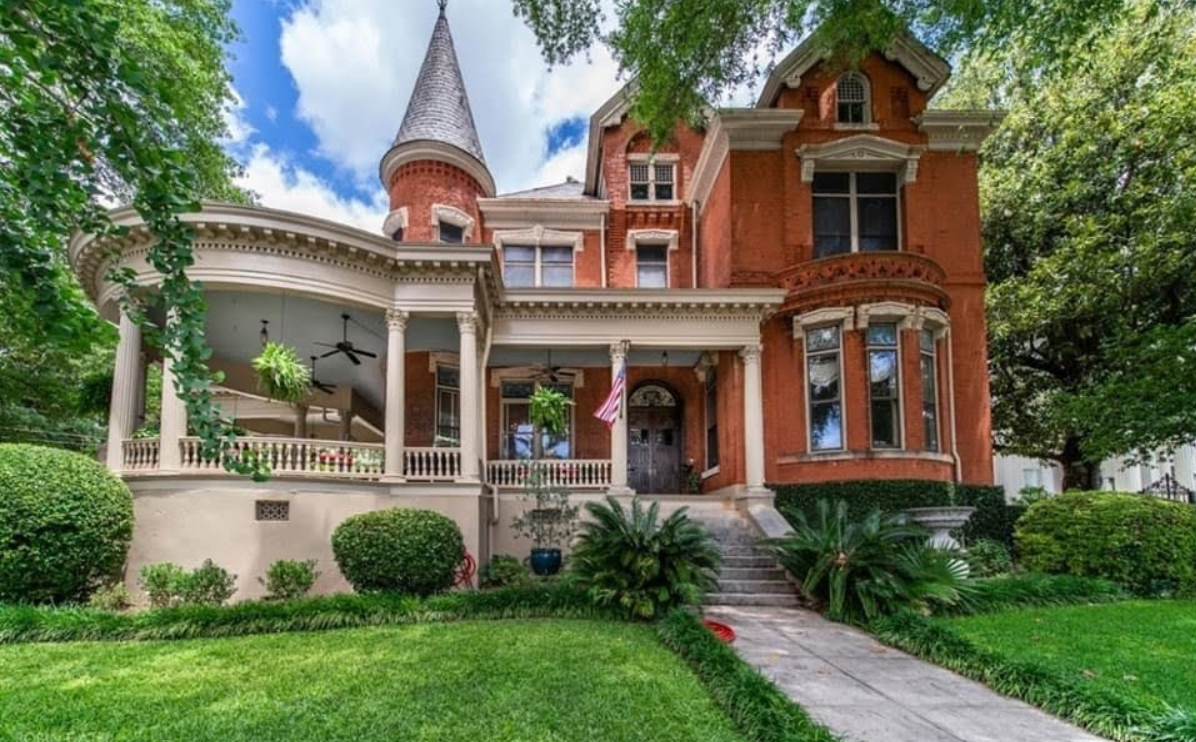
Burke Mansion Macon, GA Built 1887
7. Consult Historical Preservation Experts
If you’re unsure where to start, reach out to experts who specialize in historic restoration. Preservation architects, millwork professionals such as Willingham Sash and Door, and local historical commissions can help you navigate design choices, building codes, and eligibility for preservation tax credits or grants, such as the historic home tax credit on Historic Macon’s website here.
8. Practice Preventive Maintenance
Consistent upkeep is key to preserving your home’s historic character. Regularly inspect exterior paint, roofing, gutters, and flashing to prevent water intrusion. Keep vegetation trimmed and ensure proper drainage around the foundation. Small, proactive repairs today can prevent major restoration work later.
9. Integrate Modern Comforts Thoughtfully
Historical preservation doesn’t mean living without modern amenities. You can update heating, cooling, lighting, and insulation systems in ways that respect the home’s original design. Hide modern upgrades where possible and select finishes that complement period details.
Preserving the Past, Building the Future
Through thoughtful historical preservation, you safeguard more than a structure—you preserve craftsmanship, culture, and community heritage. Every replicated window, refinished door, and carefully chosen material ensures your historic home continues to tell its story for generations to come.