
Article

Baseboards Explained
How to Choose the Right Baseboards for Your Home
Baseboards may seem like a small architectural detail, but they play an important role in a home’s overall appearance. The right baseboards create a polished transition between walls and floors, complement other architectural features, and add character to a space.
Whether you’re building a new home, renovating an existing one, or restoring a historic property, choosing the right baseboard style, height, and material can make a noticeable difference.
Here’s what to consider when selecting baseboards for your home.
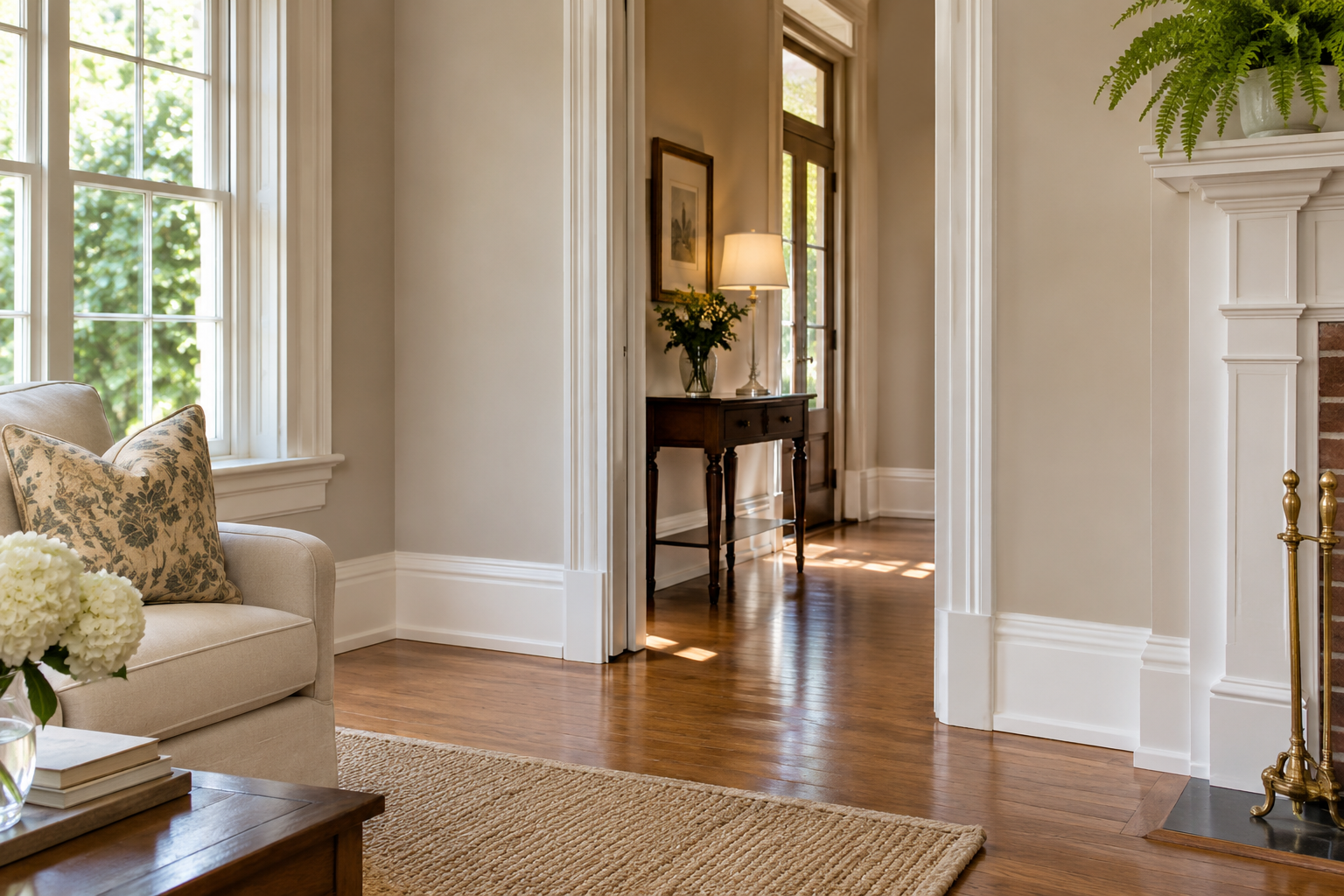
1. What Are Baseboards and Why Do They Matter?
Baseboards are the trim installed along the bottom of interior walls where they meet the floor. While they serve a decorative purpose, they’re also functional.
Baseboards help:
-
Protect walls from scuffs, furniture, and everyday wear.
-
Conceal small gaps between flooring and walls.
-
Create a finished transition between different surfaces.
-
Complement door casings, crown moulding, and other architectural details.
-
Establish a consistent design throughout the home.
Well-chosen baseboards can make a room feel more refined without requiring a major renovation.
2. Understanding Different Baseboard Styles
Baseboards come in a variety of profiles, ranging from simple, clean lines to elaborate traditional designs. Choosing a style that complements your home’s architecture is essential.
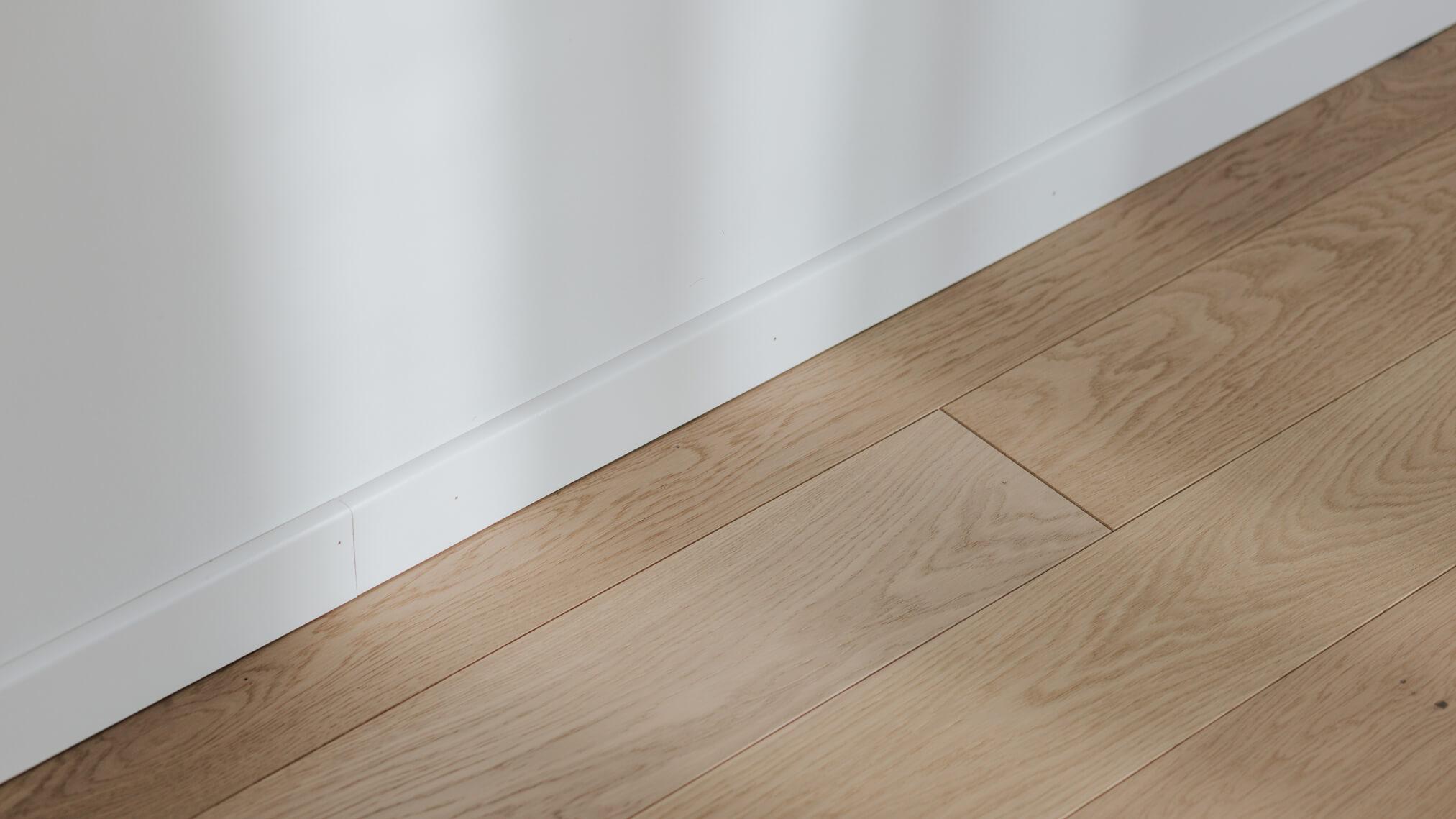
Modern and Contemporary Baseboards
Modern baseboards typically feature flat surfaces, square edges, and minimal ornamentation.
They’re ideal for contemporary homes, minimalist interiors, and spaces where clean architectural lines are preferred.
Design tip: A taller flat baseboard, approximately 5–7 inches, can create a sophisticated appearance without introducing decorative details.
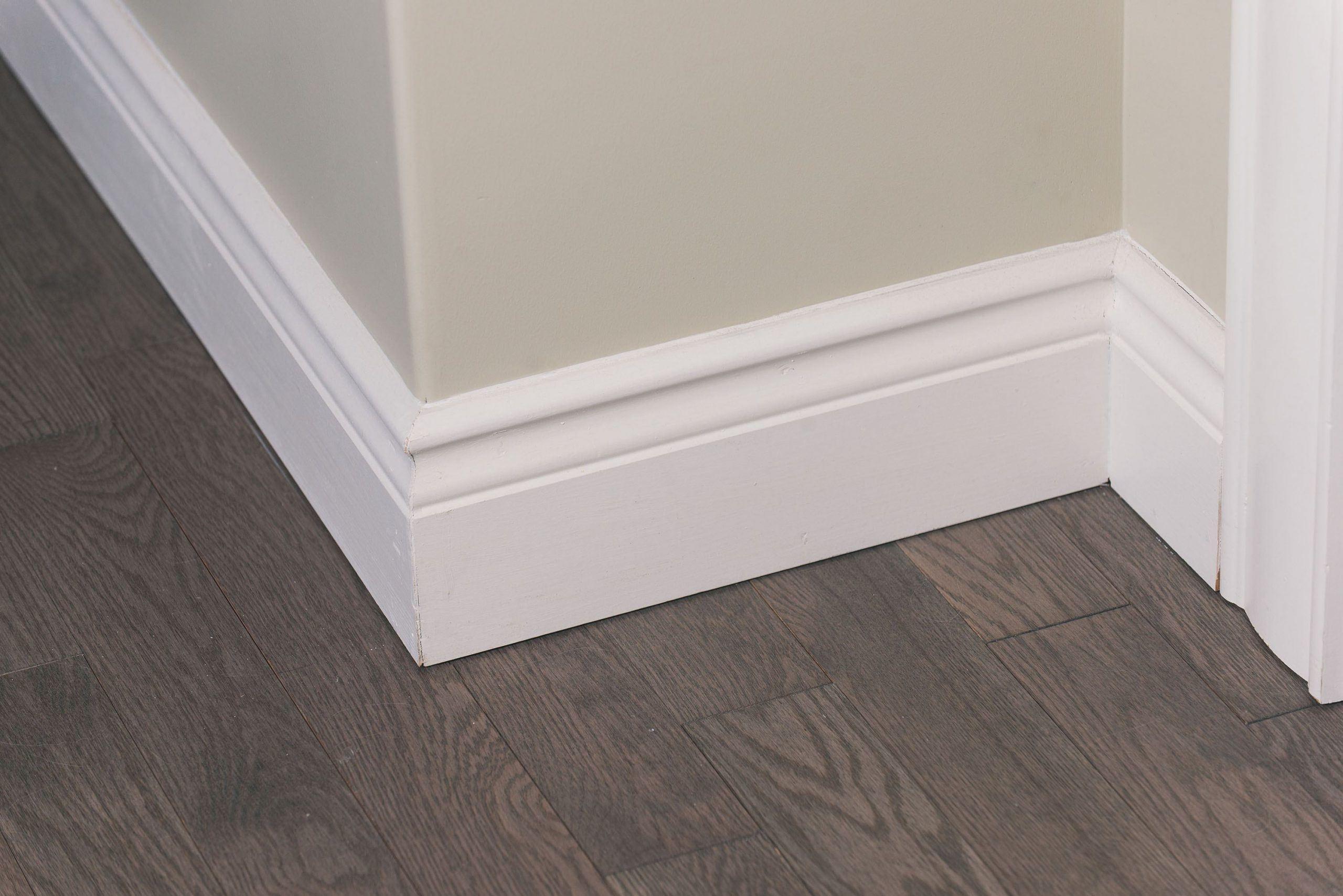
Traditional and Colonial Baseboards
Traditional baseboards often feature curved profiles, rounded edges, or decorative detailing along the upper portion.
These styles work particularly well in Colonial, Georgian, Southern traditional, and transitional homes.
Design tip: Coordinate the baseboard profile with existing door and window casings to create a cohesive appearance.
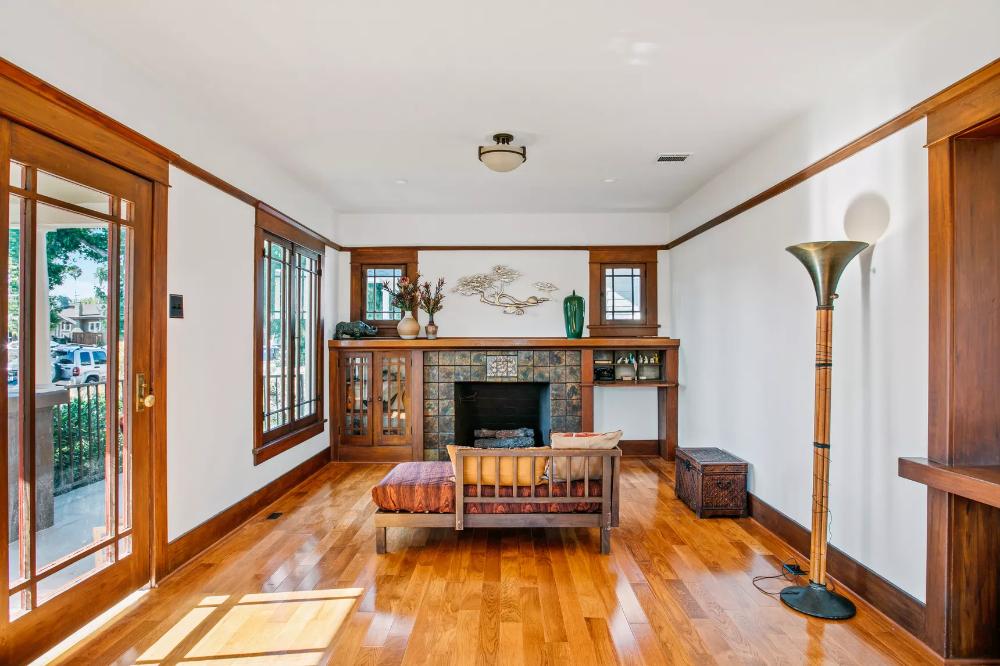
Craftsman-Style Baseboards
Craftsman-style baseboards emphasize simplicity, substantial proportions, and natural materials.
They commonly feature wide, flat boards with minimal decorative profiling and are often paired with matching wood door and window trim.
Design tip: Natural wood finishes can highlight the craftsmanship and grain patterns associated with Arts and Crafts architecture.
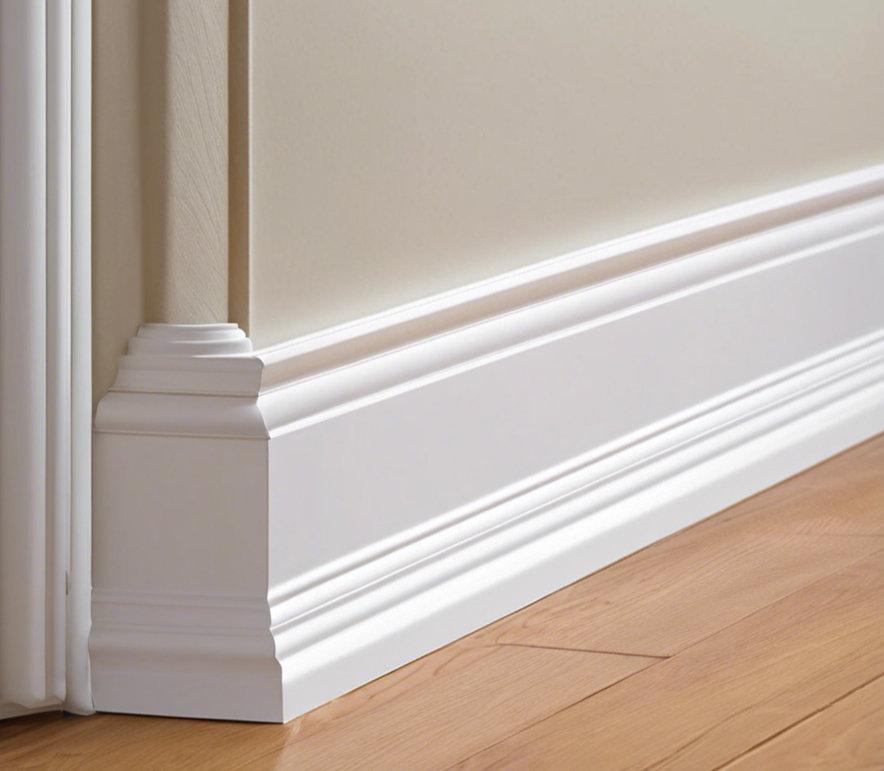
Historic and Decorative Baseboards
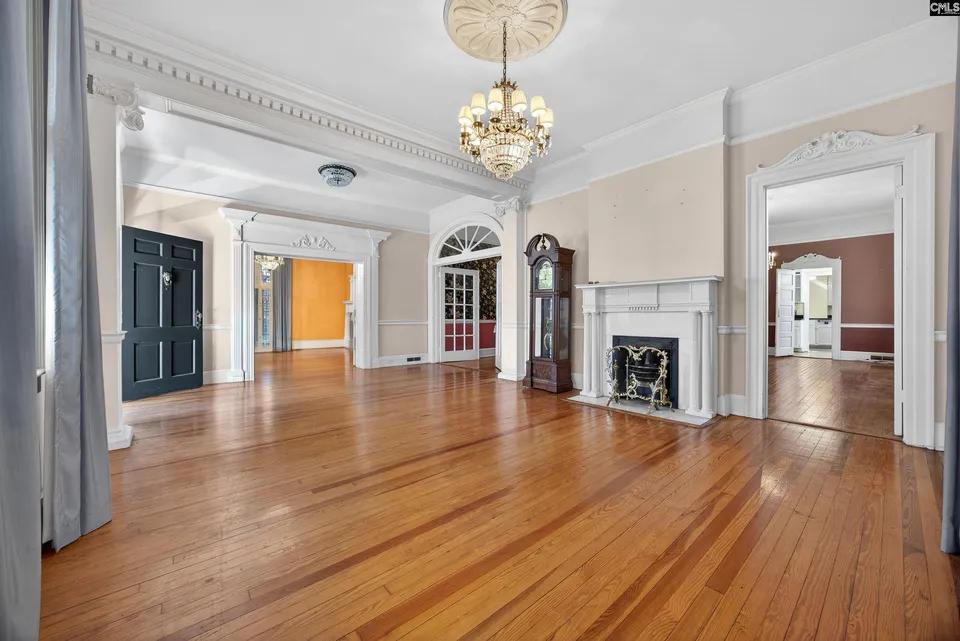
Historic homes frequently feature taller, more elaborate baseboards with multiple moulding components.
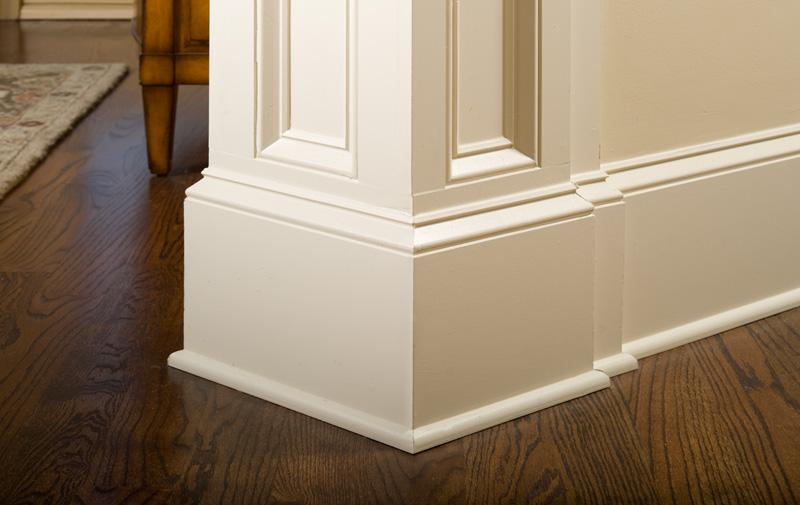
These may include a wide baseboard, decorative base cap, and shoe moulding at the floor.
When restoring a historic home, matching the original trim profile helps preserve its architectural integrity.
Design tip: Custom millwork can reproduce existing moulding profiles when standard products don’t match the original woodwork.
3. How Tall Should Baseboards Be?
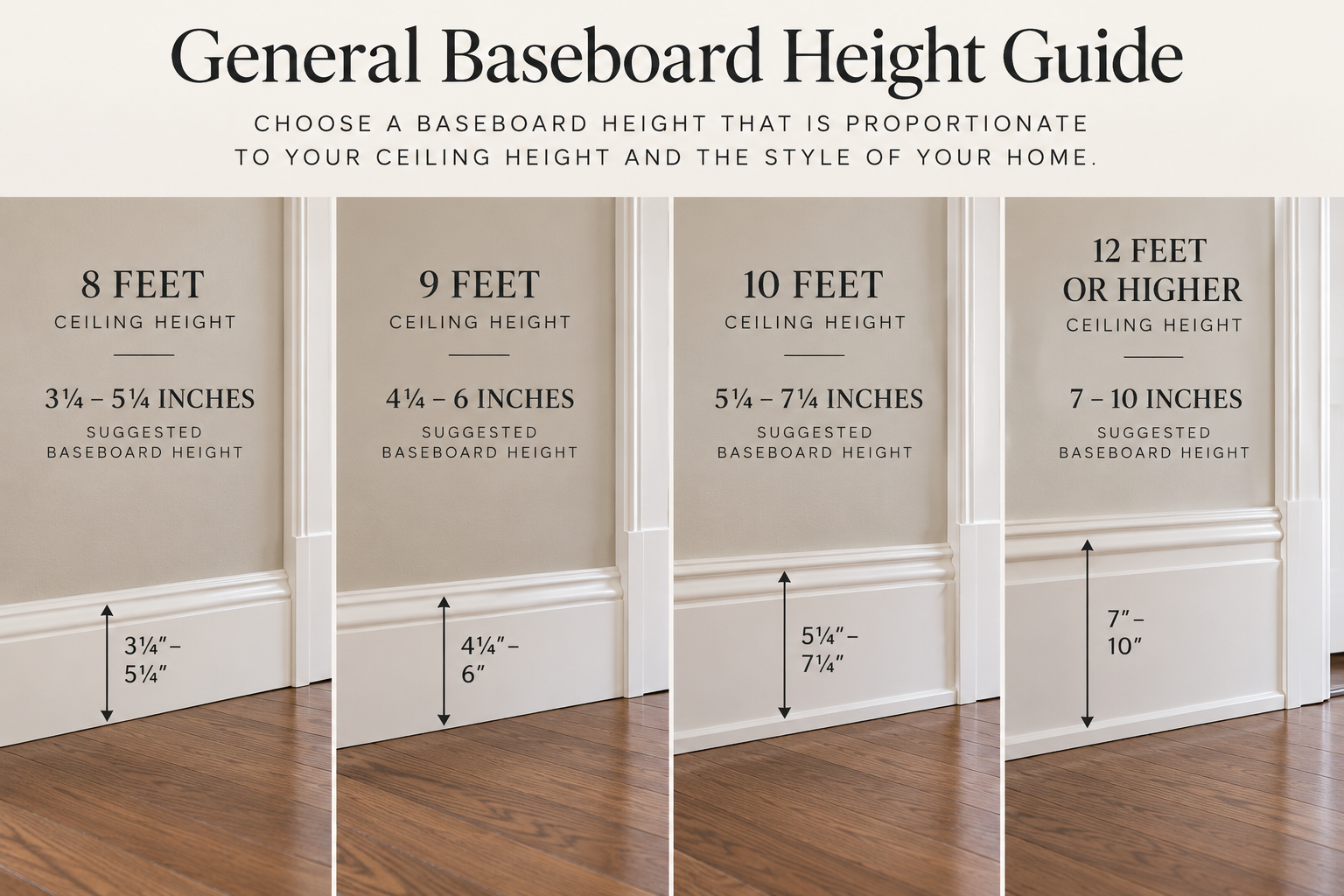
One of the most important considerations when choosing baseboards is their height.
Baseboards should be proportionate to the ceiling height and overall scale of the room. A small baseboard can look undersized in a room with tall ceilings, while overly elaborate trim may overwhelm a smaller space.
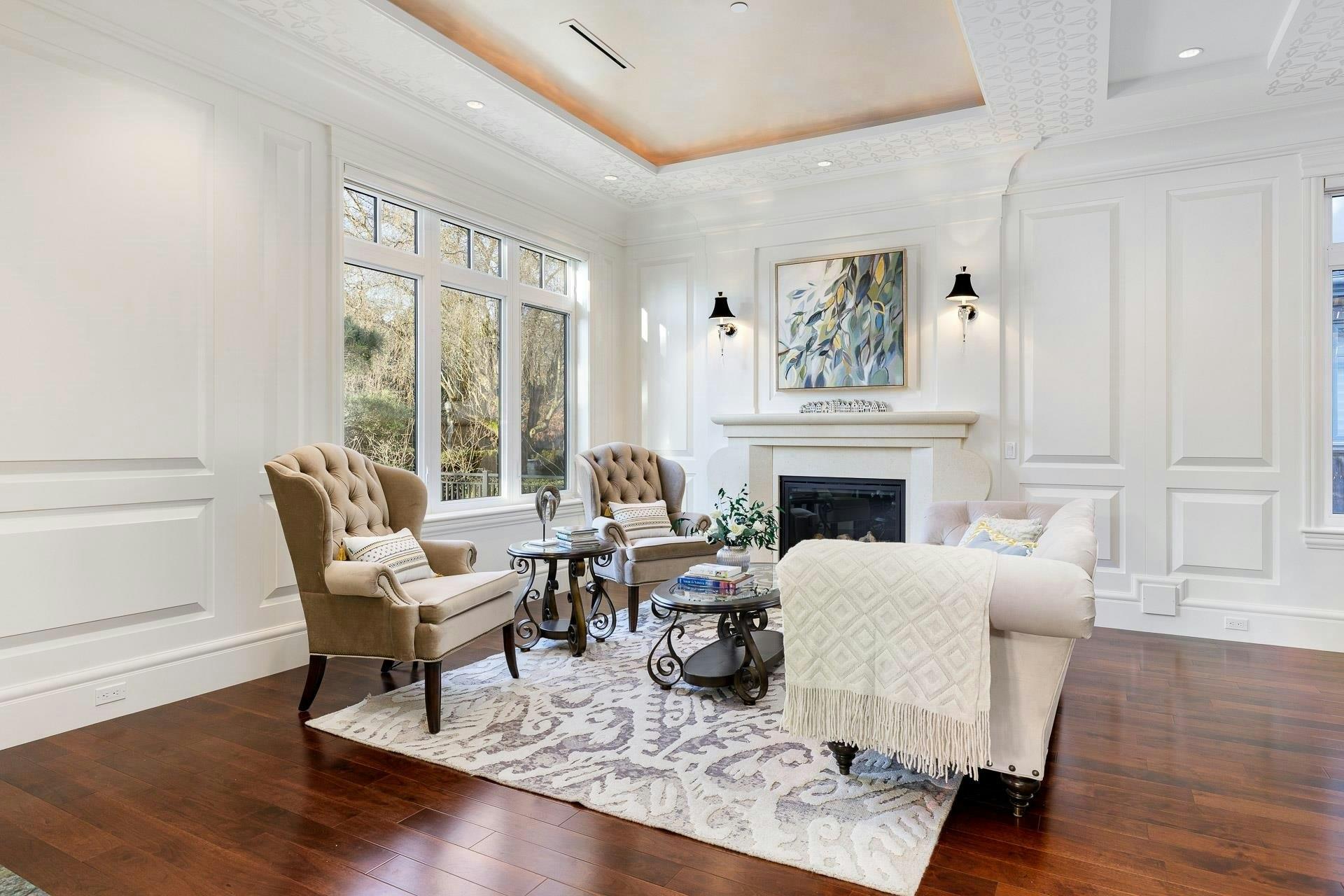
4. Choosing the Right Baseboard Material
The material you select affects the appearance, durability, and maintenance of your baseboards.
Solid Wood: An excellent choice for custom millwork, historic restorations, and stained finishes. Wood can be milled into intricate profiles and offers natural character.
Medium-Density Fiberboard (MDF): A cost-effective option for painted baseboards. MDF provides a smooth finish but is more susceptible to swelling when exposed to moisture.
Finger-Jointed Wood: Made by joining shorter pieces of wood, this material provides a practical option for painted trim with a consistent appearance.
PVC and Composite Materials: Moisture-resistant options that can be useful in bathrooms, laundry rooms, and other areas where water exposure is a concern.
For historic homes or projects requiring specialized profiles, solid wood is often preferred for its versatility and ability to match existing architectural details.
5. Should Baseboards Match Door and Window Trim?
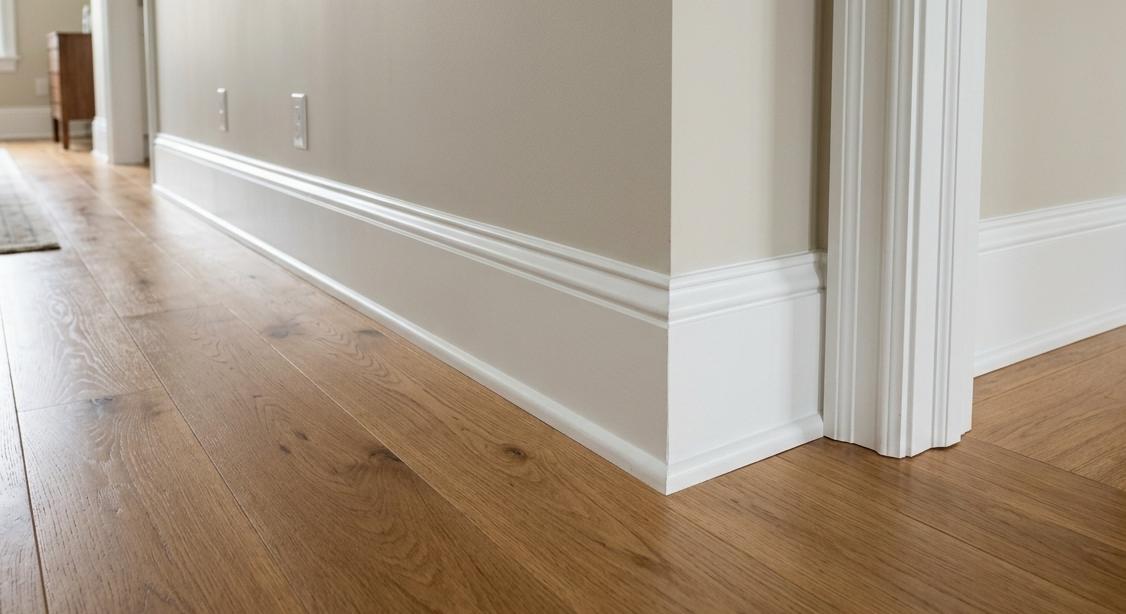
Baseboards don’t necessarily need to be identical to door and window casings, but they should complement one another.
For a cohesive appearance, consider:
-
Profile: Choose moulding styles with similar design characteristics.
-
Proportion: Make sure baseboards and casings are appropriately scaled.
-
Finish: Coordinate paint colors or wood stains throughout the space.
-
Architectural style: Keep decorative details consistent with the home’s overall design.
In traditional homes, decorative baseboards often pair well with detailed door casings. Contemporary interiors generally benefit from simpler, coordinated profiles.
6. How to Upgrade Existing Baseboards
Replacing basic builder-grade baseboards is a relatively straightforward way to elevate a room’s appearance.
Depending on the existing trim, homeowners can consider several approaches.
Install Taller Baseboards
Replacing narrow trim with taller profiles creates a more substantial architectural appearance, particularly in rooms with higher ceilings.
Add Decorative Base Cap Moulding
A base cap is a smaller moulding installed along the top edge of a baseboard. It can introduce additional detail without requiring an entirely new profile.
Use Shoe Moulding
Shoe moulding creates a finished transition between baseboards and flooring. It’s especially useful for concealing minor variations where the floor meets the wall.
Create a Custom Built-Up Baseboard
Combining a flat baseboard with decorative cap and shoe moulding can create a more elaborate appearance. This approach is particularly effective in traditional interiors and historic restorations.
7. Baseboards in Historic Home Restoration
When renovating a historic property, preserving original architectural details helps maintain the home’s character.
Many older homes feature baseboard profiles that are no longer commonly available. Replacing damaged or missing sections with standard modern trim can create noticeable inconsistencies.
Custom millwork allows original profiles to be replicated, helping new trim blend with existing architectural features.
When restoring historic baseboards, consider the original wood species, profile dimensions, decorative details, and finish.
Matching these elements helps preserve the craftsmanship and architectural character that make historic properties unique.
8. Small Details Make a Big Difference
Baseboards are often overlooked during renovations, but their impact on a room shouldn’t be underestimated.
From clean, contemporary profiles to elaborate historic designs, the right baseboards bring balance, character, and a finished appearance to any interior.
At Willingham Sash & Door, we understand the importance of quality craftsmanship and architectural detail. Our custom millwork capabilities allow us to create moulding profiles suited to new construction, renovations, and historic restoration projects.
Whether you’re matching original woodwork or creating something entirely new, carefully selected baseboards can help bring your vision together.
Looking for custom baseboards or architectural millwork? Contact us to discuss your next project.